


High blood pressure, also known as hypertension, is one of the most common health conditions affecting adults worldwide. Many people do not realise they have high blood pressure because symptoms often develop slowly or remain unnoticed for years. However, untreated hypertension can increase the risk of serious health problems such as heart disease, stroke, and kidney damage.
Understanding the warning signs of high blood pressure and knowing when to seek medical care can help protect your long-term health.
What Is High Blood Pressure?
Blood pressure measures the force of blood pushing against the walls of your arteries. When this pressure remains consistently high, it can damage blood vessels and place extra strain on the heart.
Normal blood pressure levels:
| Blood Pressure Category | Reading |
| Normal | Less than 120/80 mmHg |
| Elevated | 120–129 / Less than 80 |
| High Blood Pressure Stage 1 | 130–139 / 80–89 |
| High Blood Pressure Stage 2 | 140/90 mmHg or higher |
High blood pressure is often called the “silent killer” because many people experience no obvious symptoms in the early stages.se concerns can help you approach the conversation with compassion rather than pressure.
Common Signs of High Blood Pressure
Although hypertension may not always cause symptoms, some warning signs should never be ignored.
Frequent Headaches
Persistent or severe headaches can sometimes be linked to high blood pressure, especially when blood pressure levels become dangerously elevated.
You should seek medical attention if headaches:
Are accompanied by dizziness or blurred vision
Occur frequently
Feel unusually intense
Shortness of Breath
Difficulty breathing during normal activities may indicate that high blood pressure is affecting the heart or lungs.
Shortness of breath should be evaluated promptly, particularly if it occurs suddenly or worsens over time.
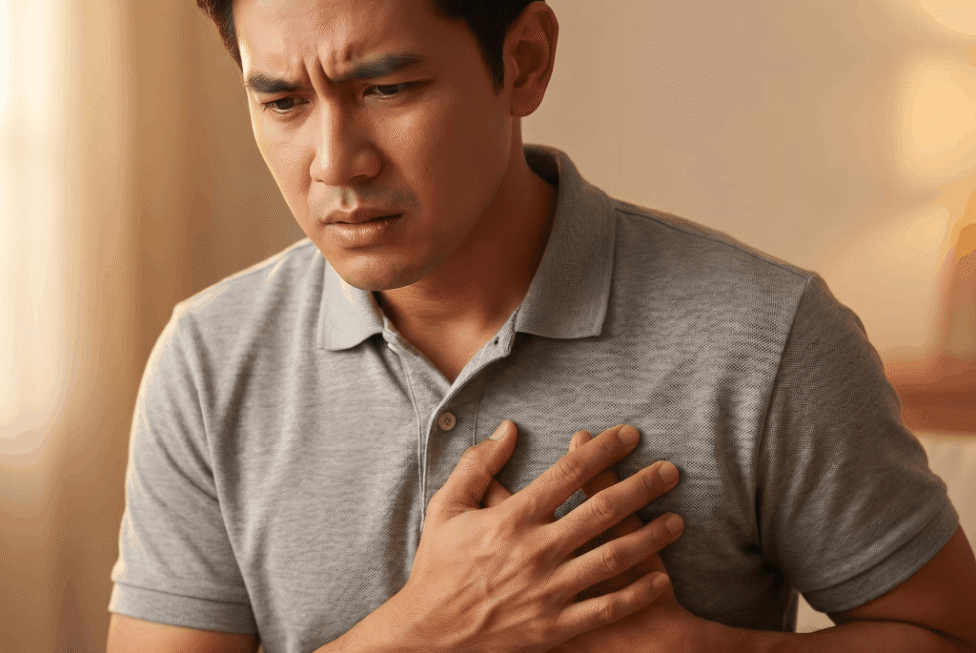
Chest Pain
Chest pain is a serious symptom that may suggest hypertension-related heart problems.
Chest discomfort may include:
- Tightness
- Pressure
- Burning sensation
- Sharp pain
Seek immediate medical care if chest pain occurs suddenly or is accompanied by nausea, sweating, or difficulty breathing.
Dizziness or Lightheadedness
Feeling dizzy or lightheaded can sometimes occur when blood pressure becomes extremely high.
This symptom may also increase the risk of falls or fainting, especially in older adults.
Vision Problems
High blood pressure can damage blood vessels in the eyes, leading to vision changes.
Warning signs may include:
- Blurred vision
- Double vision
- Sudden vision loss
- Eye strain
Routine blood pressure monitoring can help prevent long-term eye complications.
Fatigue and Confusion
Uncontrolled hypertension may reduce blood flow to important organs, causing fatigue, weakness, or confusion.
Persistent tiredness should not be ignored, especially when combined with other symptoms.
Risk Factors for High Blood Pressure
Several lifestyle and health factors can increase the risk of developing hypertension.
| Risk Factor | How It Affects Blood Pressure |
| Obesity | Increases strain on the heart |
| Smoking | Damages blood vessels |
| High Salt Intake | Raises blood pressure levels |
| Lack of Exercise | Weakens heart health |
| Stress | May contribute to hypertension |
| Family History | Increases genetic risk |
Understanding these risk factors can help individuals take preventive steps early.
When Should You See a Doctor?
You should schedule a medical evaluation if you experience:
- Frequent headaches
- Chest pain
- Shortness of breath
- Dizziness
- Vision problems
- Consistently high blood pressure readings
Early diagnosis and treatment can reduce the risk of serious complications.
How to Prevent High Blood Pressure
Healthy lifestyle habits can help lower the risk of hypertension and improve overall heart health.
Prevention tips include:
- Eating a balanced diet
- Reducing salt intake
- Exercising regularly
- Maintaining a healthy weight
- Managing stress
- Avoiding smoking and excessive alcohol
Routine health checkups are also important for monitoring blood pressure levels.
Treatment Options for Hypertension
Treatment depends on the severity of high blood pressure and overall health condition.
Common treatment options:
| Treatment | Purpose |
| Lifestyle Changes | Improve heart health naturally |
| Blood Pressure Medication | Helps control hypertension |
| Weight Management | Reduces pressure on arteries |
| Regular Monitoring | Tracks blood pressure changes |
Doctors may recommend a combination of lifestyle adjustments and medications for effective blood pressure management.
FAQs
What is considered high blood pressure?
Blood pressure readings above 130/80 mmHg are generally considered high.
Can high blood pressure cause headaches?
Yes, severe or uncontrolled hypertension may sometimes lead to headaches.
Is high blood pressure dangerous?
Yes. Untreated hypertension can increase the risk of heart disease, stroke, and kidney problems.
How often should blood pressure be checked?
Adults should have their blood pressure checked regularly, especially if they have risk factors for hypertension.
Conclusion
High blood pressure is a serious condition that often develops without noticeable symptoms. Recognising early warning signs such as headaches, chest pain, dizziness, and shortness of breath can help prevent severe health complications.
Regular health screenings, healthy lifestyle habits, and early medical care play an important role in managing blood pressure and protecting long-term health. If you experience symptoms of hypertension or have concerns about your blood pressure, scheduling a medical checkup is an important step toward better health.